Now booking school partners for the 2026–27 year — read the five-week program overview

Mobile After School Arts
Donate

A youth arts nonprofit · San Diego County, California

A little fire. A brighter future.

A real glass studio. Right on campus. We bring fire, color, and possibility to San Diego County students — five weeks, three glass disciplines, and something to be proud of.

Tuition-free. Hands-on. Made by them.

Founded by master glass artist James Stone · built to outlast any one of us

From a spark to something extraordinary
Glowing orange glass on a blowpipe beside a furnace
Fire & form · AI concept
Real materials.
Limitless imagination.

The program we are building — these are our design targets, not results yet. We would rather show you the plan than dress up a number.

600students a year at full build-out
8schools a year — five weeks at each, forty weeks on the road
3disciplines: glassblowing, fused glass, mosaic
50+years of craft behind the program

( 01 ) Who we are

The glass is how we start.
It isn't what this is for.

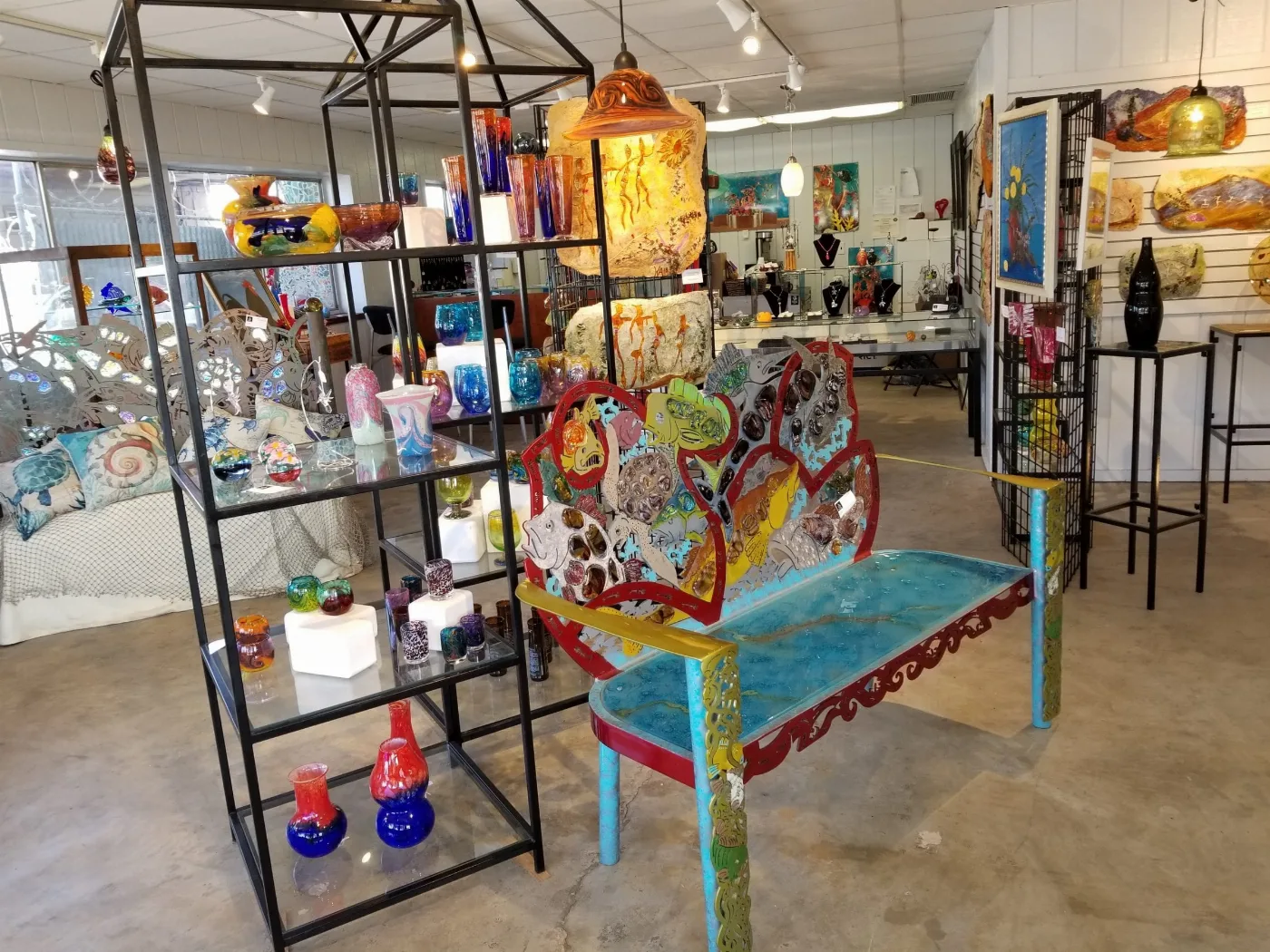
Colorful glass vessels, sculptures and art benches in the Stone and Glass gallery
Inside Stone & Glass · studio archive

Mobile After School Arts uses glass art to connect young people from different cultural and economic backgrounds to better futures — bringing a working studio to them, staying long enough to be trusted, and sending every student home with work they designed and made themselves.

— our mission

Molten glass will hold a teenager's attention like almost nothing else. We use that honestly: it is the doorway, not the destination. What we are actually after is belonging, confidence, the habit of solving a hard problem with your hands, and a grown-up who is still there next week.

Art programs are the first thing cut and the last thing funded — and the students who would light up in a studio are usually the ones who can never get to one. So we flipped the model: the studio travels. Then we made sure it doesn't end when the trailer pulls away.

( 02 ) What we do

More than a class.
A program.

We teach three glass disciplines — glassblowing in the hot shop, fused glass and jewelry in the kiln, and mosaic at the bench. Glassblowing is a standard part of every deployment: it runs at campuses that meet our site, utility, safety, insurance and institutional requirements.

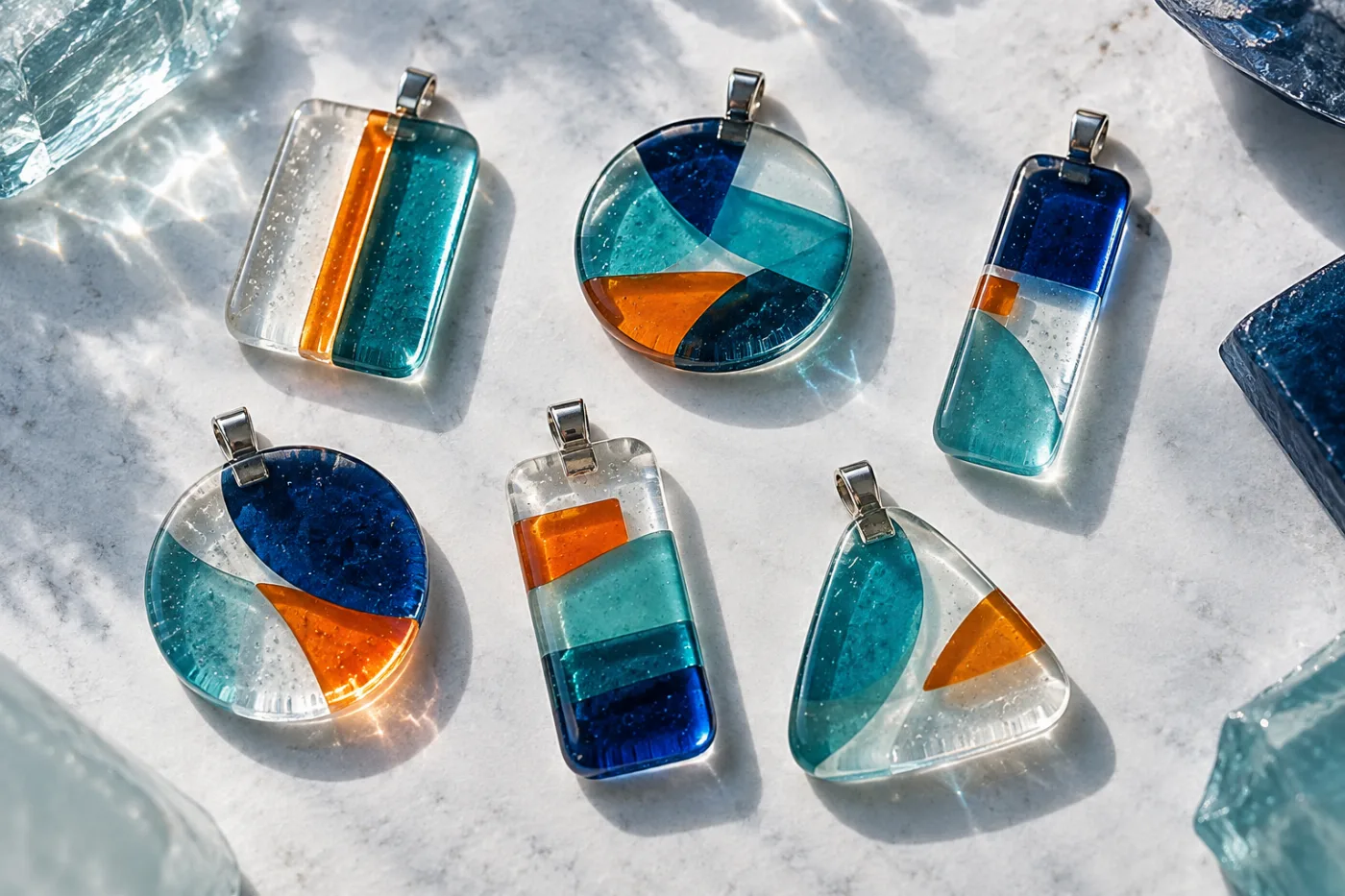
Teal, orange and cobalt fused-glass pendants on a pale work surface
Fused-glass possibilities · AI concept

the program

The Five-Week Mobile Program

The mobile studio parks at one high school and stays five weeks. A new cohort of about 15 students starts every Tuesday and comes Tuesday, Wednesday and Thursday after school — one glass discipline a day — finishing the week with three works of their own.

  • ≈75 students in a single five-week deployment
  • No cost to students, and no program cost to the school
  • Eight MASA adults in the room for every fifteen students
  • Ends in a student exhibition — and the work goes home
Read the full program overview →
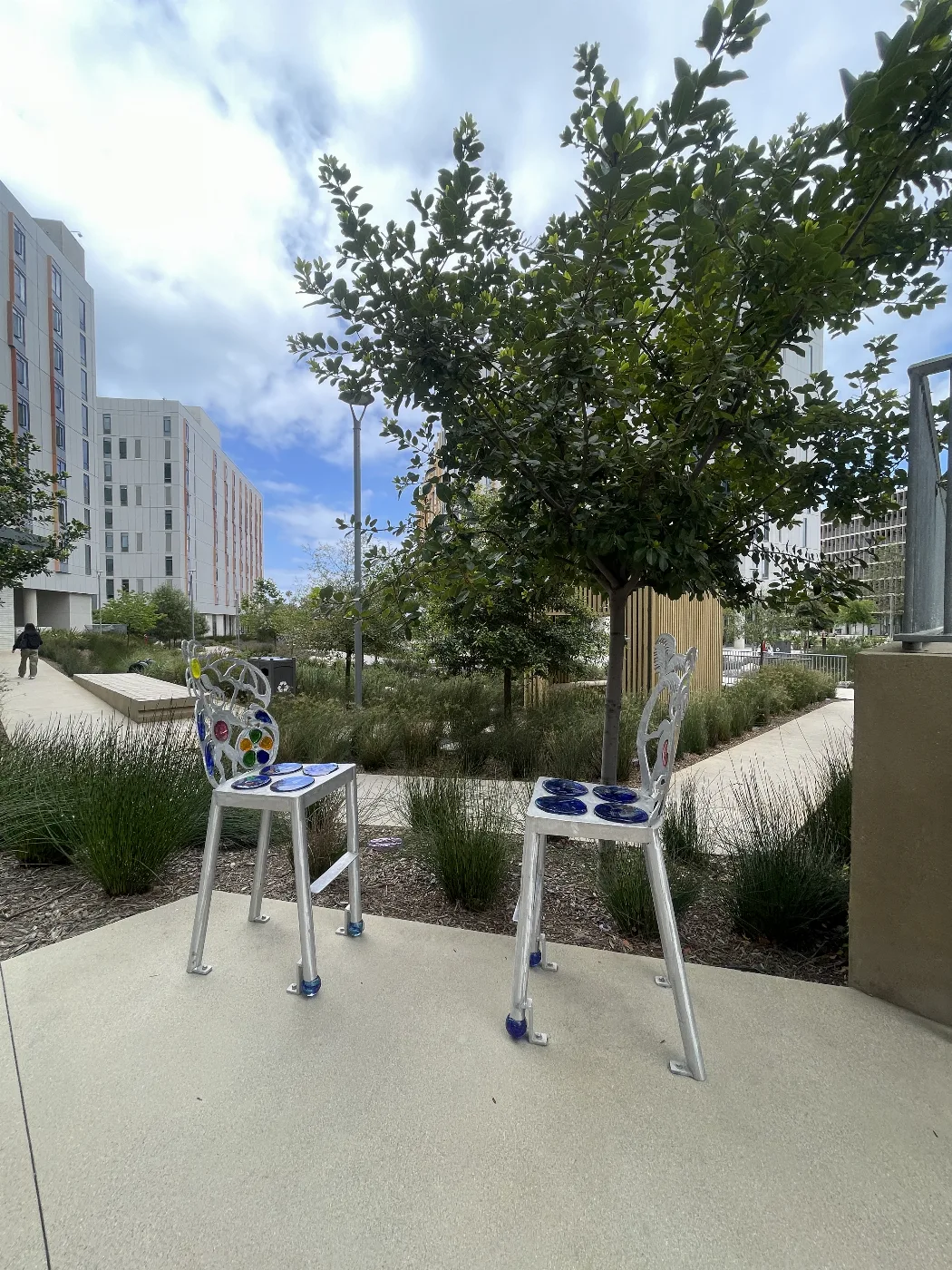
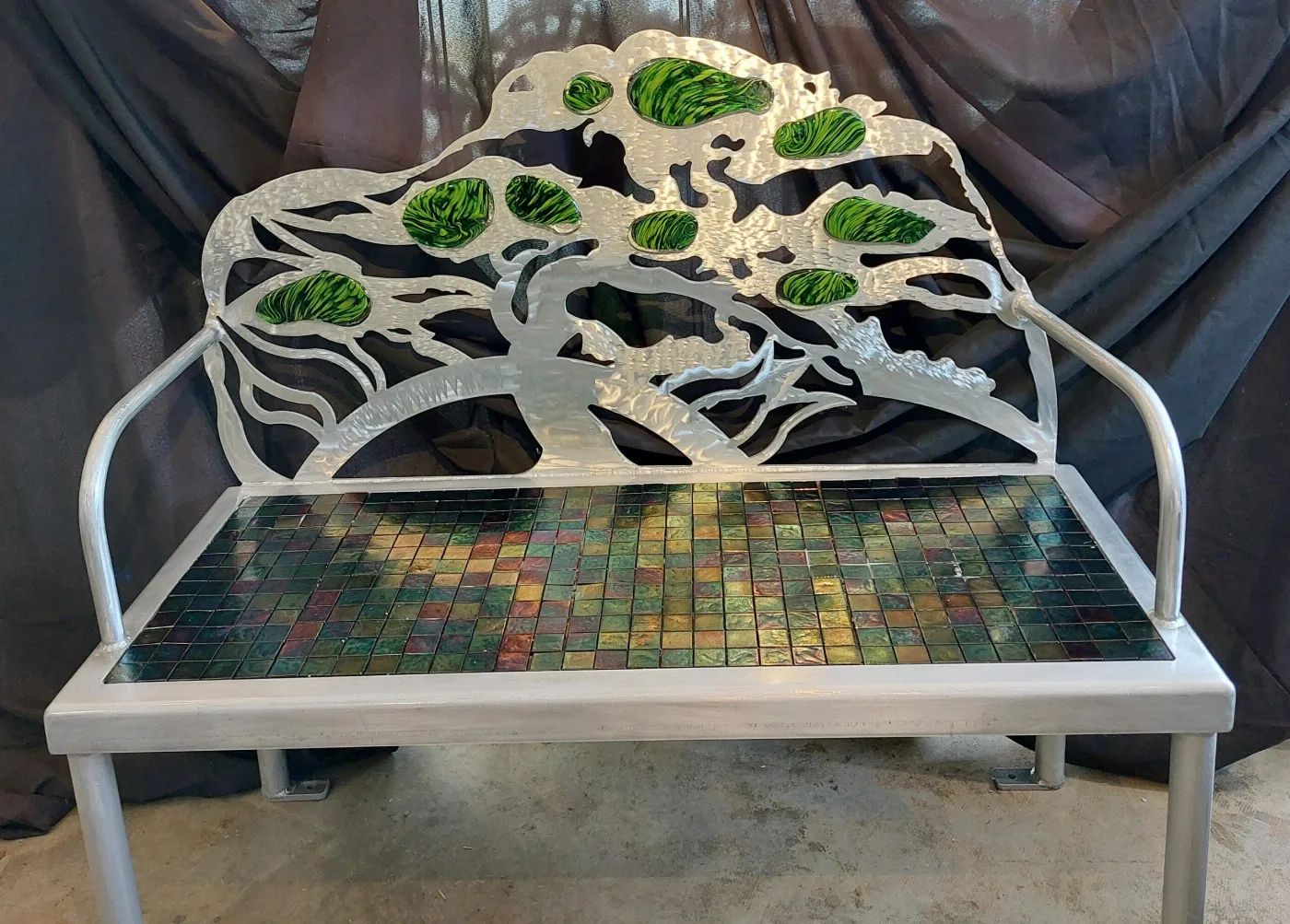
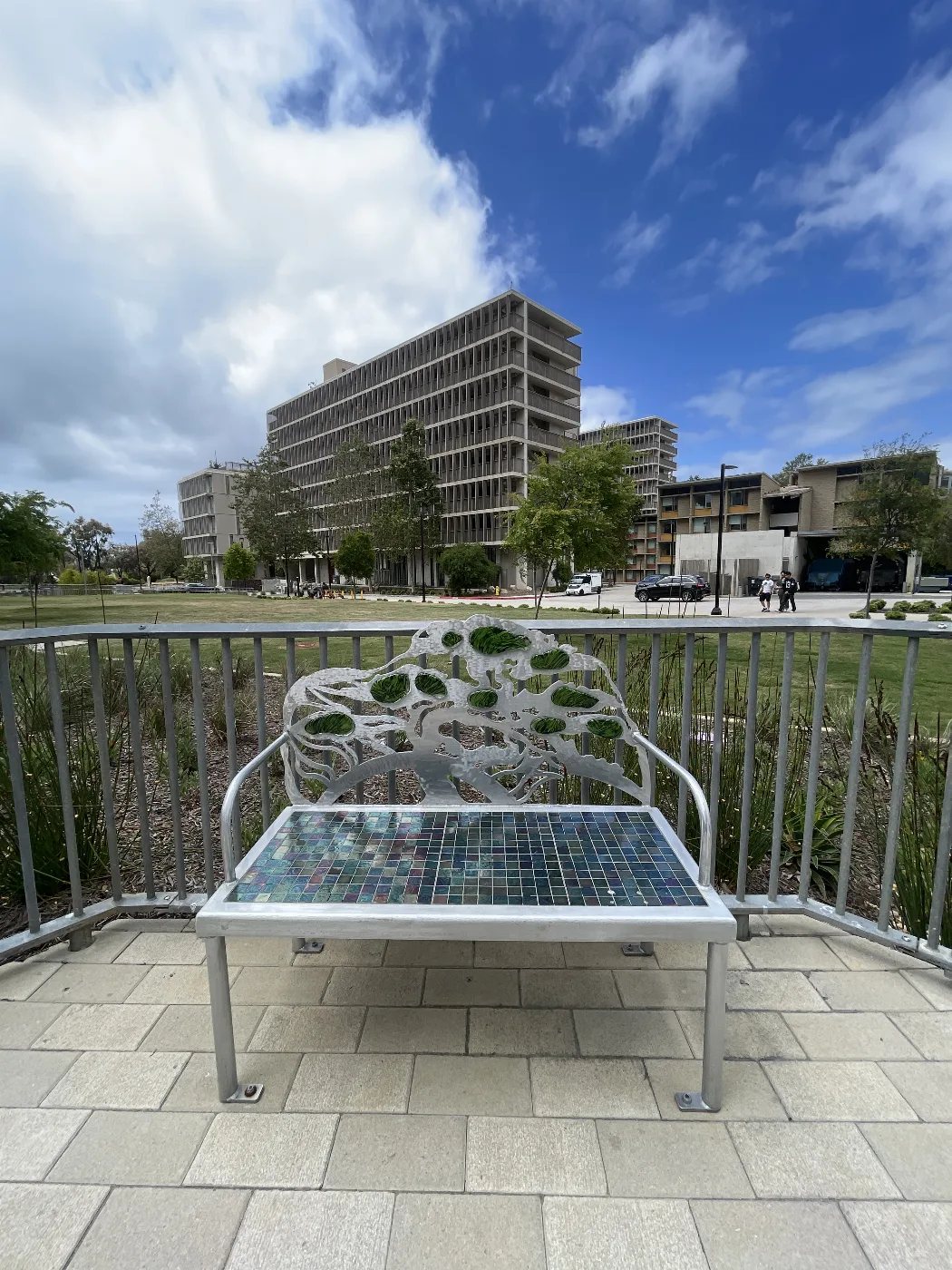
California Beach glass and metal art seats by James Stone at UC San Diego
California Beach · James Stone · UC San Diego

the full season

Eight Schools, Forty Weeks

One annual program. Five weeks at each of eight campuses is forty weeks on the road and roughly 600 students a year — the same structure at every school, scheduled around each school's own calendar and transportation.

  • ≈600 students a year at full build-out
  • Five weeks at each host campus
  • Every deployment evaluated jointly before we plan the next
Talk to us about hosting →
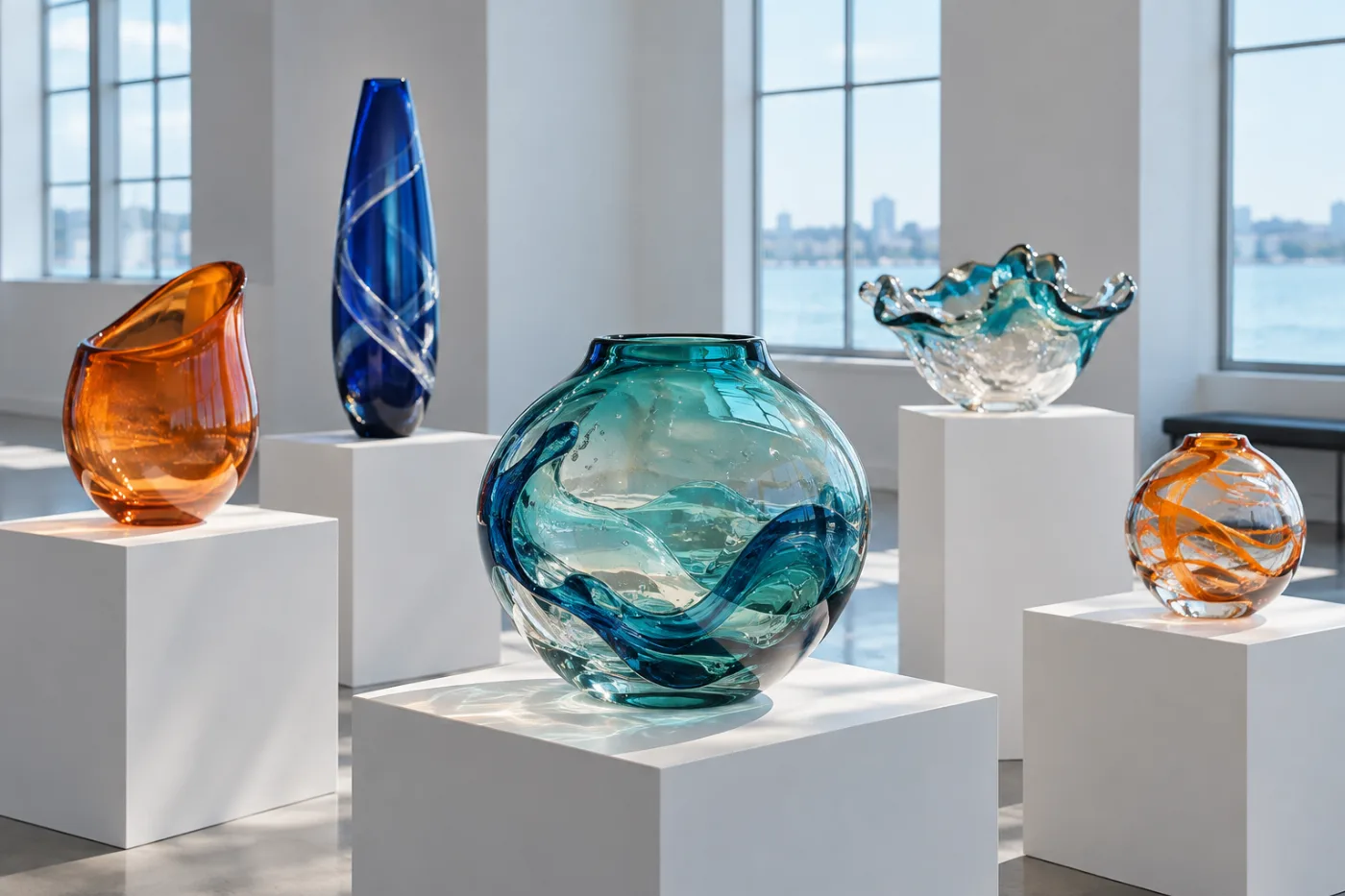
Colorful glass vessels displayed on white gallery plinths
Exhibition inspiration · AI concept

The Student Exhibition

Five weeks end in a show of the students' own work. MASA helps organise and coordinate it; the school sets the timing and location and provides the display. Families, staff and the community come — then every piece goes home with the student who made it.

Plan the show with us →
A glowing orange glass bead on a mandrel above a blue flame
A spark of possibility · AI concept

Demos & Workshops

Single-day live demonstrations and taster workshops for schools, districts and community events. The fastest way to see what molten glass does to a room full of teenagers.

Book a demo →

( 03 ) The pathway

Not a class. A road.

A one-off workshop is a nice afternoon. What actually changes a young person's direction is a door that stays open, and someone on the other side of it who knows their name. The first two stages are what every student gets today. The four marked in development are the road we are still building — and we would rather show you the plan than pretend it is already finished.

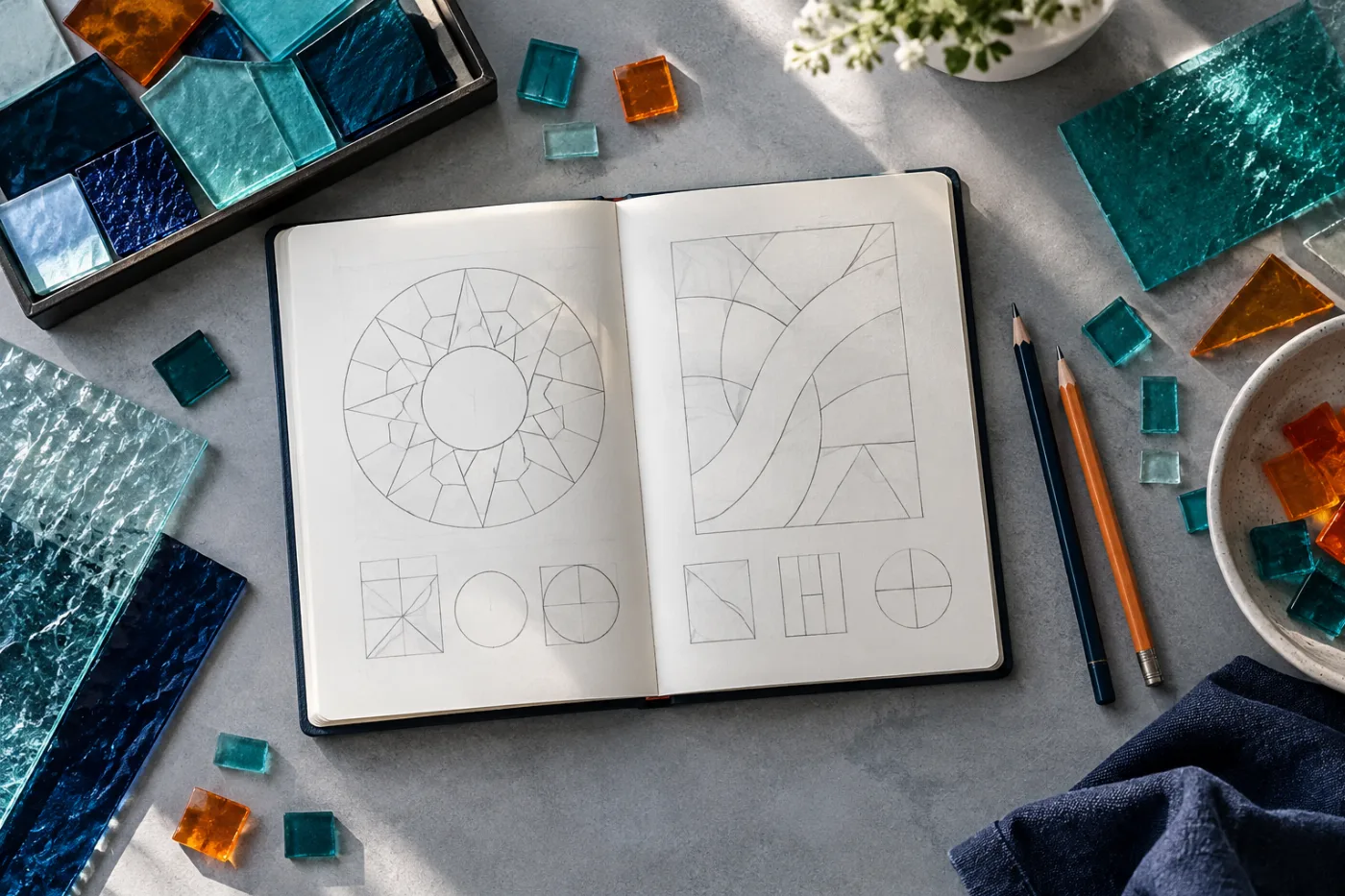
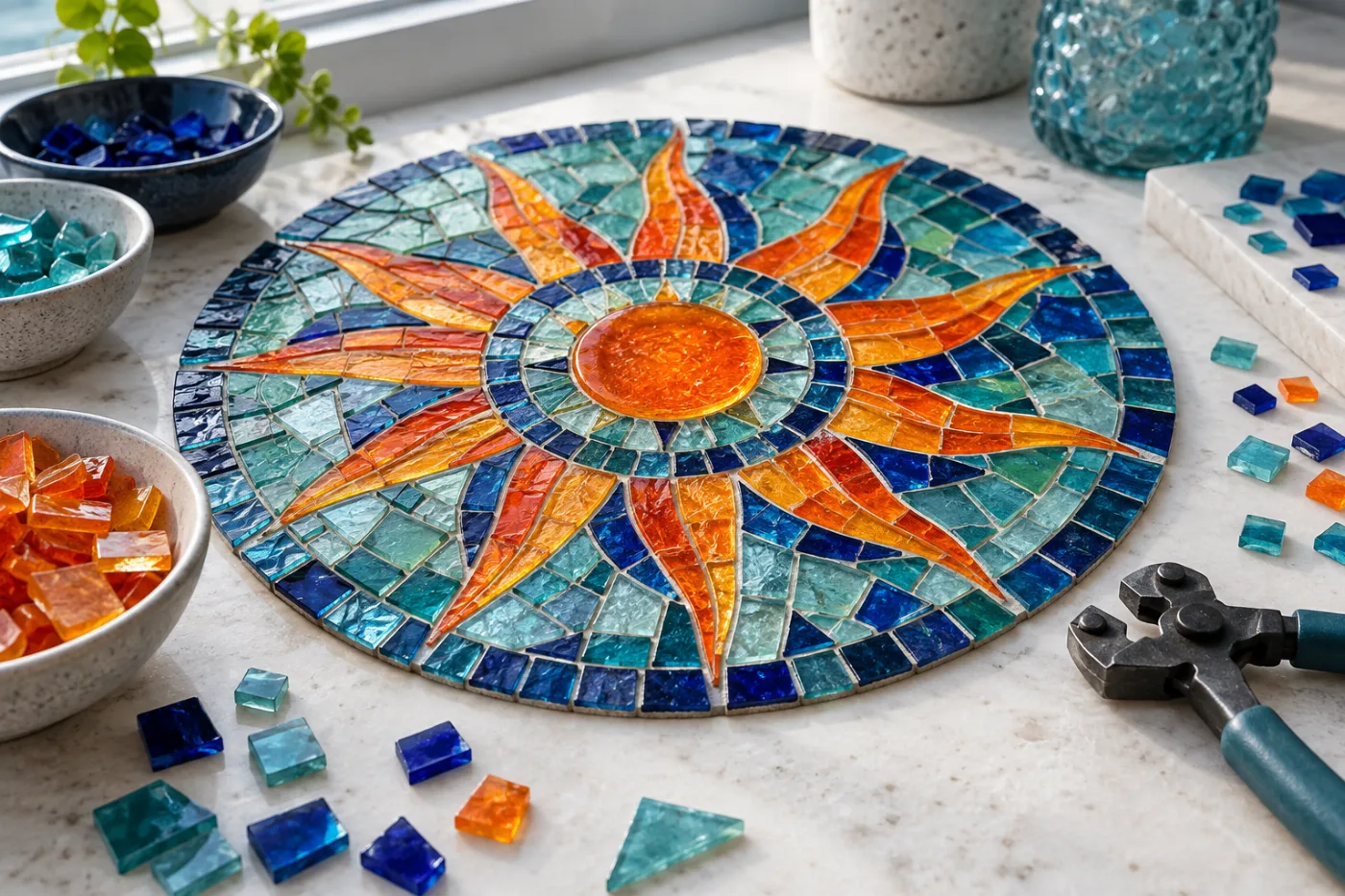
Geometric mosaic sketches beside pencils and colored glass samples
From idea to design · AI concept
  1. Walk in

    Any high school student at a host campus

    No experience, no audition, no cost. Safety first, then hot glass. Most students have never made anything with fire before — that is the point.

  2. Join the crew

    A cohort of fifteen, Tuesday to Thursday

    Three afternoons, three disciplines, three finished works — and eight MASA adults in the room for fifteen students. This is where the teamwork and the trusted-adult part actually happens: not in a mission statement, at a bench, with something hot in your hands.

  3. Make the advanced team

    In development · by invitation

    Smaller crews on harder work: commissions, public installations, real deadlines and a standard that does not bend. Being asked matters as much as the work does.

  4. Get paid for it

    In development · stipends for alumni

    Assisting demos, filling commissions, helping run a session. A young person's first paycheque for skilled work changes how they see themselves — and it comes with the unglamorous parts too: showing up on time, being counted on.

  5. Teach the next one

    In development · student mentors

    Returning students help the newest ones find their footing. The student who was terrified of the furnace last year becomes the person who makes it look survivable. This is how a program stops depending on any one adult.

  6. Leave with something

    In development · college & career support

    A portfolio, a reference from someone who watched them work, help with applications and trade connections. Whether they go on to glass or to something else entirely, they leave with evidence of what they can do.

And when the thing in the way isn't glass

Sometimes a student stops coming because of a bus fare, an empty refrigerator, an unsafe house, or something they cannot say out loud yet. We are a glass program, not a social services agency — but we are paying attention, and we will help a family reach the people who do this for a living. Nobody gets quietly dropped for missing a day.

( 04 ) How a deployment works

From first call to opening night.

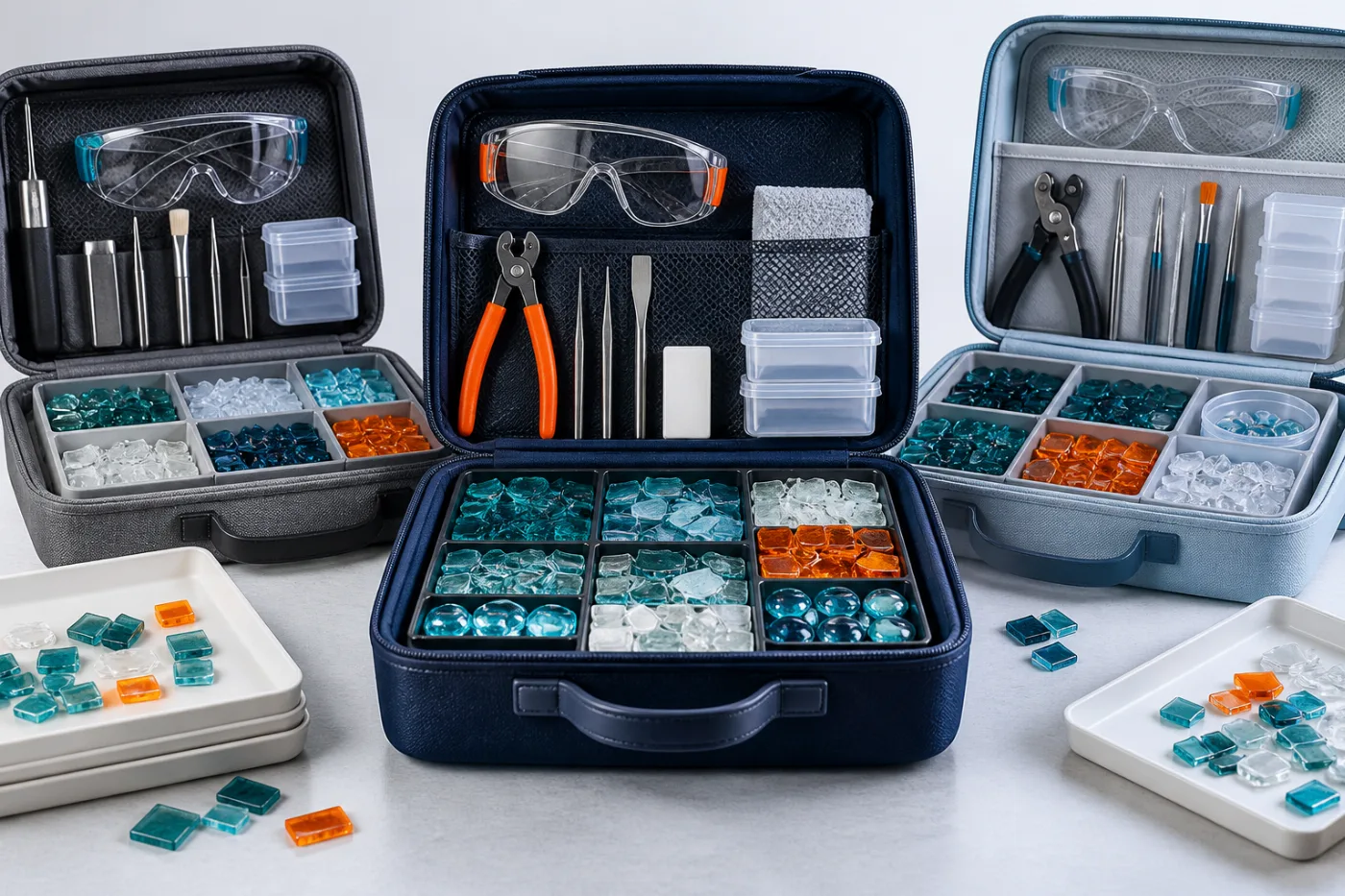
Portable cases organized with glass tiles, tools and safety glasses
Creativity on the move · AI concept
  1. 1

    Partner

    Your school signs on. We handle logistics, equipment, insurance and safety planning with your staff.

  2. 2

    Roll up

    The mobile studio arrives after the last bell — furnace, kilns, tools, glass, safety gear, and working artists.

  3. 3

    Make

    Five weeks on campus. A new cohort of fifteen every Tuesday — three days, three disciplines, three finished works each.

  4. 4

    Show

    The five weeks end in a student exhibition — then every piece goes home with the student who made it.

( 05 ) Why it matters

What the glass is really for.

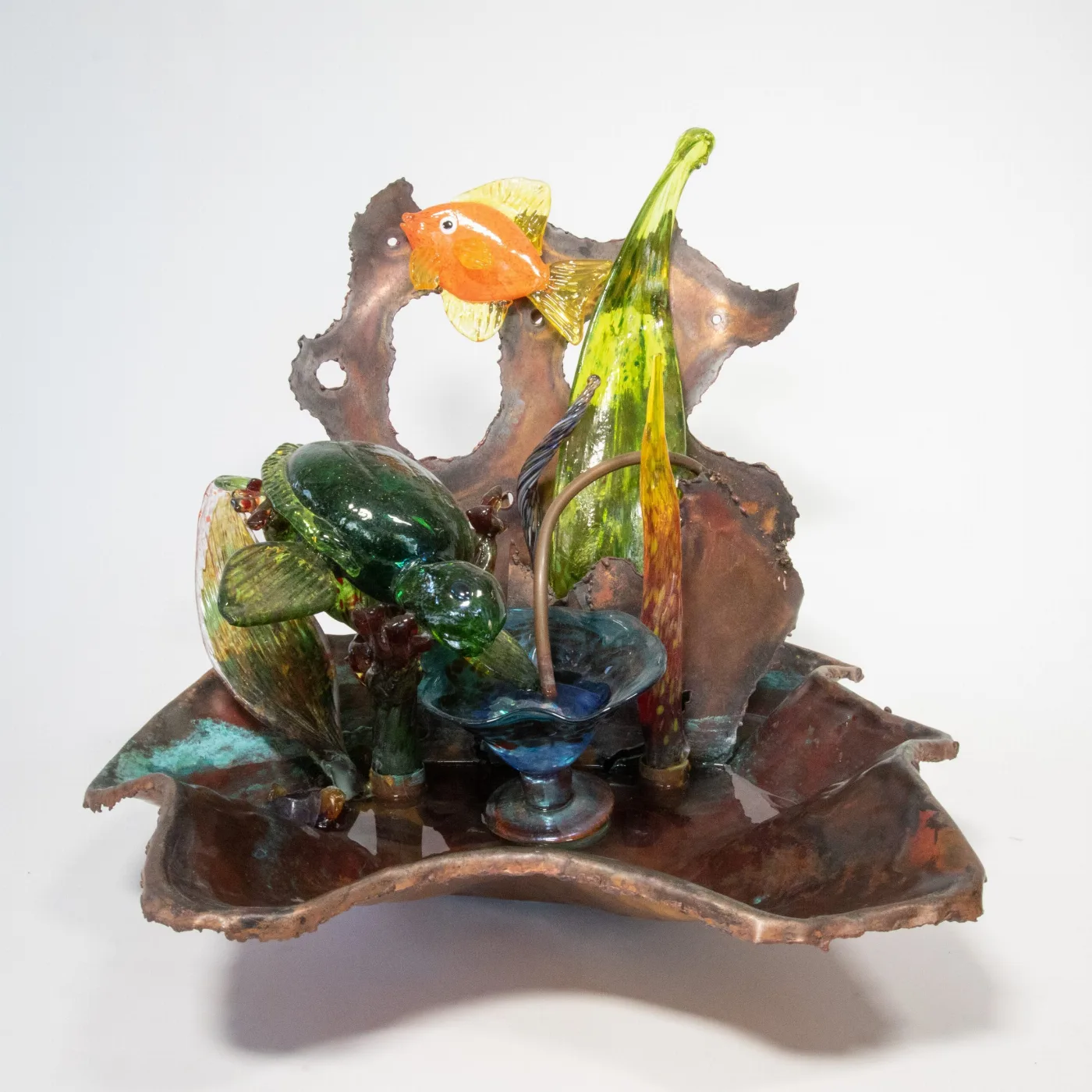
A sculptural reef of green and orange glass fish with blue glass and metal
Glass & mixed media · Stone & Glass archive

Belonging, before anything else

After-school hours are the highest-risk hours of a young person's day. We fill them with a warm room, a hard task, and a crew that notices when you are missing.

Confidence you can hold

Finishing a piece of glass you shaped with fire is a different kind of grade. It cannot be faked, it cannot be crammed for, and it does not expire.

Problem-solving that transfers

Heat, viscosity, annealing, timing, colour chemistry — real material science, learned with your hands. And underneath it, the harder lesson: the piece cracked, so begin again.

Adults who take them seriously

Three instructors, three assistants, a technical lead and an administrator — for fifteen students. Nobody is at the back of the room, and nobody gets to be invisible.

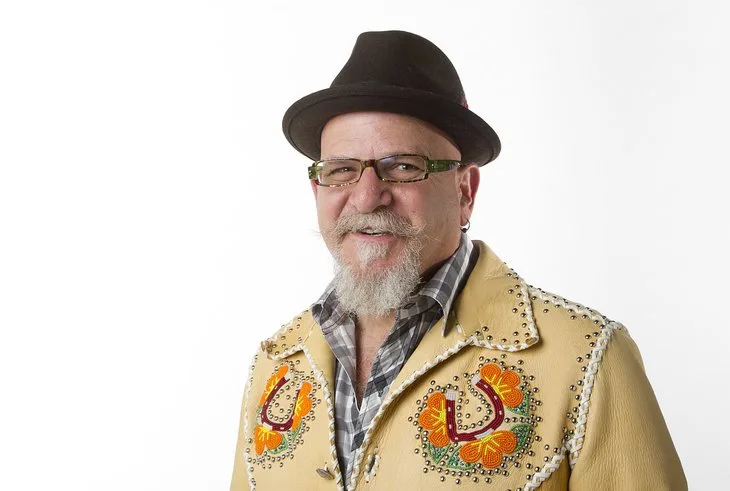
James Stone wearing a black hat and embroidered jacket
James Stone · founder & master glass artist

Keep the fire going.

( 06 ) The founder

Fifty years in glass.
Now it's about passing it on.

James Stone is a master glass artist with more than five decades in the craft and over a hundred public art installations in hospitals, universities, resorts, and civic spaces across the country. From his public studio, Stone and Glass in Escondido, he's spent years teaching, mentoring, and putting blowpipes in new hands.

Mobile After School Arts is the next chapter: taking everything the studio taught him about craft, patience, and fire — and driving it straight to the students who'd never otherwise get near a furnace.

And then handing it on. A program that only works while one man is standing at the bench is a workshop, not an institution — so this one is being built from the beginning to run without him: trained teaching artists, a board chosen for what it knows, and students who grow into mentors and staff. James would rather build something that keeps going than something with his name on it.

( 07 ) Leadership & governance

Built to outlast us.

Mobile After School Arts is a nonprofit corporation governed by a board of directors, not a personal project. We are seating that board deliberately — looking for the knowledge and relationships the program actually needs, rather than simply people who love glass.

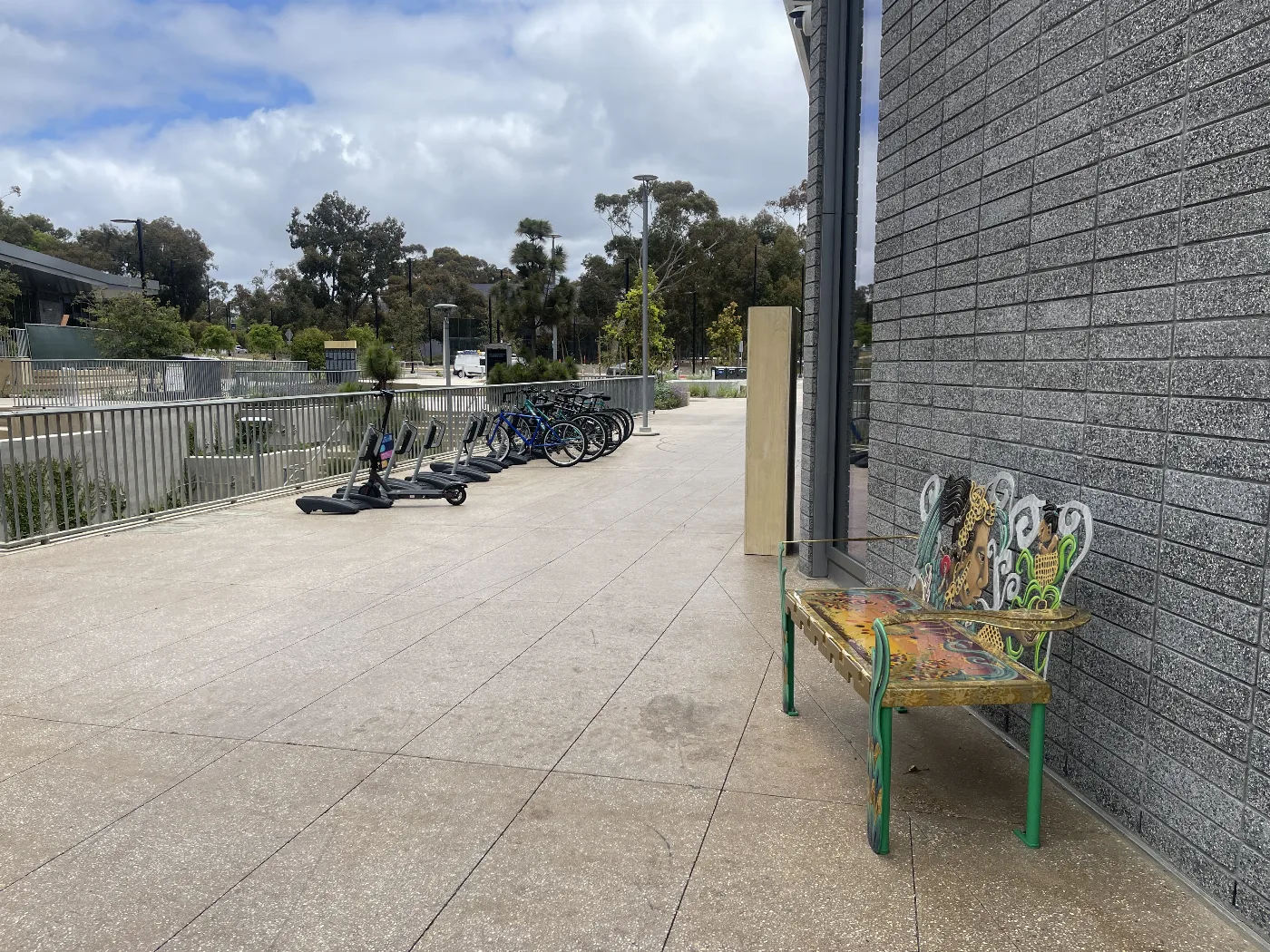
La Gente De Maíz glass and metal art bench at UC San Diego
La Gente De Maíz · Luis Mateo with James Stone · UC San Diego

What we are building the board to hold

A working board covers the ground the program has to cross. These are the seats we are filling:

  • Public schools & district administration
  • Nonprofit finance & accounting
  • Law
  • Fundraising & development
  • Higher education & career pathways
  • Youth services, health & counselling
  • Community development
  • Marketing & communications

Our board and staff are being seated now. If you read that list and recognised yourself, we would genuinely like to hear from you — start the conversation.

How the work gets carried

Teaching artists run the sessions. A program lead runs the calendar, the safety plan and the school relationships. The board holds the money, the mission and the hiring. As the program grows, those roles get filled by people who are trained for them — including, eventually, students who came up through the pathway.

That is the whole succession plan in one sentence: train people, then hand them the keys.

( 08 ) For schools & districts

The questions a principal asks first.

You are being asked to let an outside organisation bring heat and tools onto your campus and work with your students. That deserves straight answers, not a brochure. Here is how we approach it — and we will put every piece of it in writing before we arrive.

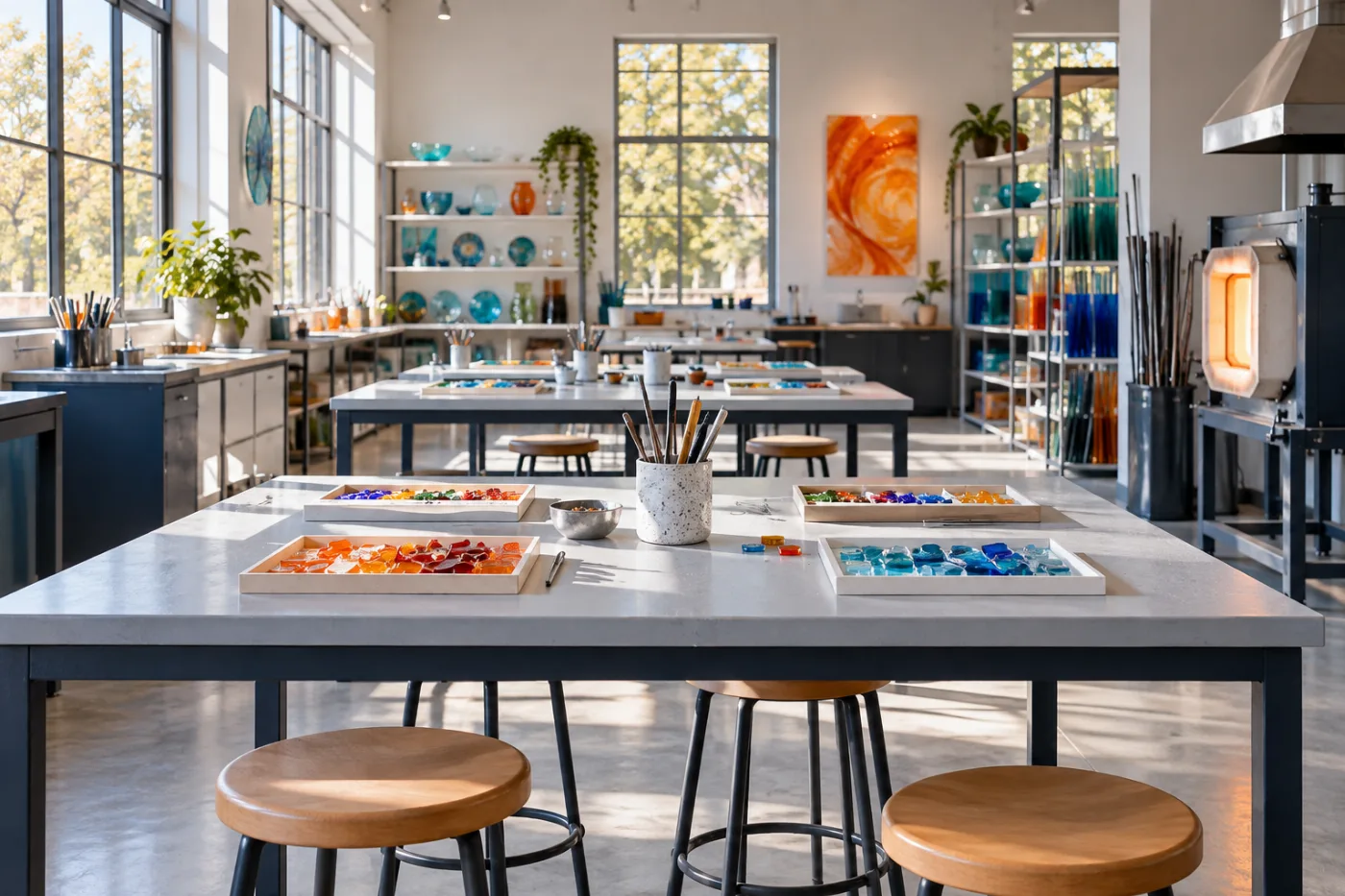
A bright art classroom with glass materials arranged at workstations
A space for creativity · AI concept

Safety is the curriculum

The first lesson is safety and it never stops being the standing rule. Purpose-built stations, professional protective equipment, tools and techniques matched to experience, and supervision set for hot work rather than for a lecture hall: three instructors, three assistants, a technical lead and an administrator for a cohort of fifteen.

Vetted adults

Everyone we place in front of students is screened and cleared to your district's requirements — background checks, fingerprinting and mandated-reporter training — before a first session, not after.

Insured and documented

Certificates of insurance, endorsements naming your district, safety plans, equipment and fuel handling procedures, and emergency protocols. Tell us what your district requires and we will provide it for review before anything is scheduled.

Your students' privacy

No student is photographed or named publicly without a signed release on file, and a family can decline without their student losing their place. Consent is per-student, and it is revocable.

Request our school partner packet Read the five-week program overview We will send documentation, references, our Host Site Requirements package and a walk-through of what five weeks asks of your campus.

( 09 ) Get involved

It takes a crew to keep the fire lit.

( 10 ) Ways to give

Fuel the furnace.

MASA raises every dollar the program runs on — students pay nothing and host schools pay nothing. We are small enough that a single gift is genuinely felt, and we would rather tell you exactly where it goes than dress it up.

Orange, teal and clear glass hearts catching the sunlight
Give creativity a place · AI concept

Online giving opens shortly

We are finishing the setup so that gifts land directly in the organisation's own account. Until that is live, email us and we will make it simple — and we will tell you honestly where your gift goes.

Email us about giving

Mobile After School Arts Inc is a California nonprofit corporation. We are not yet an IRS-recognized 501(c)(3), so please do not treat a gift as tax-deductible today. Email us for our current status and we will tell you plainly where we are in the process.

The monthly circle

Steady monthly giving is what lets us promise a student that the studio will still be there in March. Each level below shows where a monthly gift goes.

  • $10/mo Glass, fuel and safety gear for a student's session
  • $25/mo A student's materials across all three disciplines
  • $50/mo A student's whole three-day place in the program
  • $100/mo A month of teaching-artist time for a small crew

A Seat at the Bench

Sponsor one student's place — three days, three disciplines, three finished works, and every material it takes to make them.

most needed

Keep the Studio Rolling

Fuel, glass, tools, equipment maintenance, safety gear — the unglamorous essentials that keep the mobile studio on the road.

Name a Deployment

Underwrite five weeks on one campus — roughly 75 students, from the first session to the exhibition — with your name behind it.

Other ways to stand behind this

  • Fire in Your Heart — our recognition for the donors who make the largest commitments to the program. Ask us what that looks like.
  • Sponsorship — underwrite a discipline, a school, a piece of equipment, or the trailer itself.
  • Legacy & planned giving — a bequest or a gift that outlives all of us, which is rather the point.
  • Commission the work — buy student and founder glass, or commission a piece. The money returns to the program and the students see their craft valued.
  • In-kind — glass, fuel, tools, safety gear, a tow vehicle, storage, or professional help with books, law or insurance.
  • Grants & institutional partners — if you are a funder or a district with expanded-learning money, we would like to talk.

Start a conversation →

( 11 ) Questions, answered

The things everyone asks.

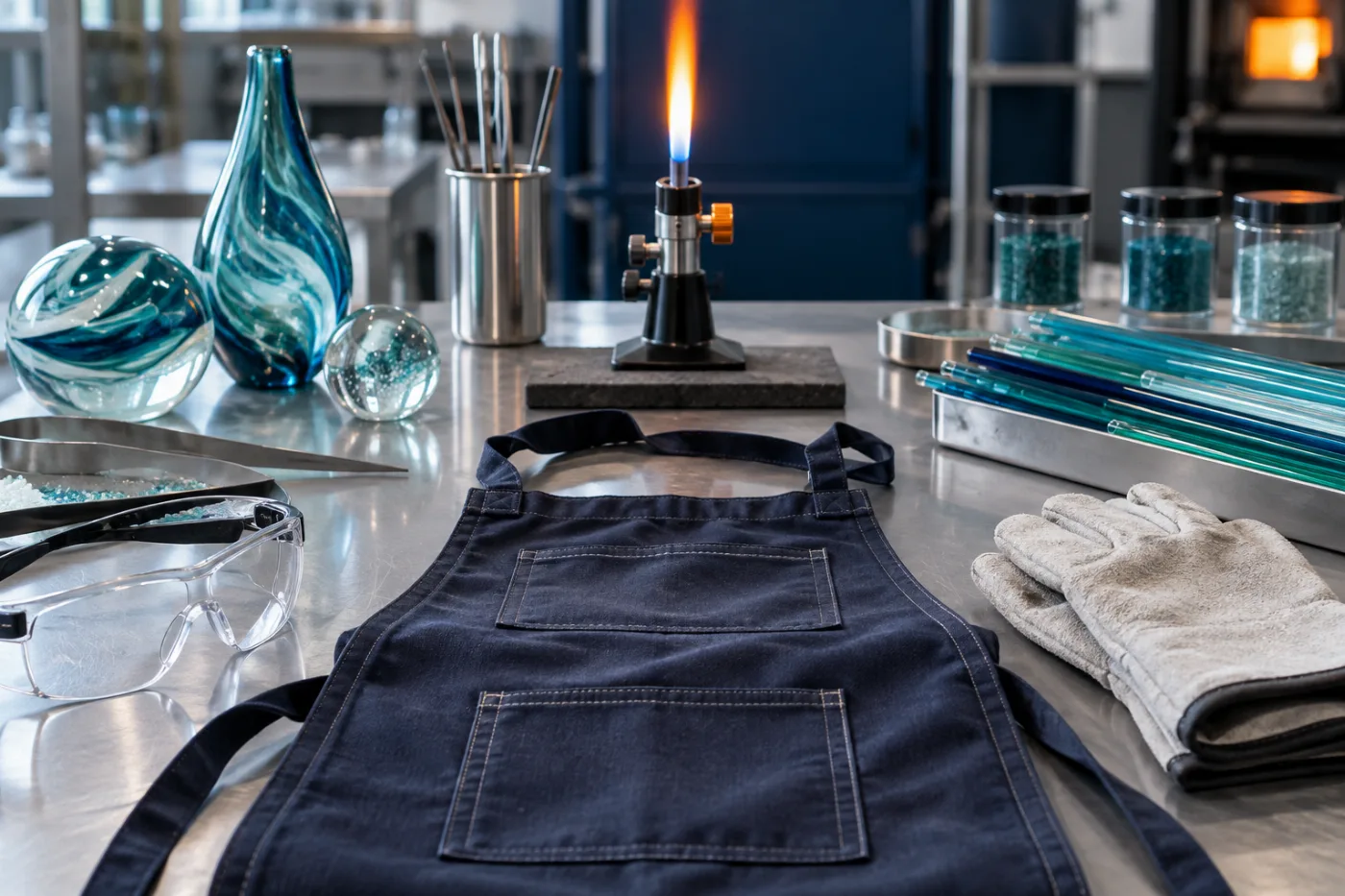
Safety glasses, an apron and protective gloves on a studio workbench
Prepared to create · AI concept
Is molten glass actually safe for students?

Safety is the first lesson and the standing rule. Students work with professional protective equipment, purpose-built stations, and trained working artists at their side — with tools and techniques matched to their experience. Nobody touches fire before they have earned it, and supervision ratios are set for hot work rather than for a classroom.

What does a five-week program actually look like?

The mobile studio stays at one school for five weeks. Each week a cohort of roughly 15 students comes Tuesday, Wednesday and Thursday after school — two to three hours a day, one glass discipline per day — and finishes the week with three works of their own. Over five weeks that is approximately 75 students, and it ends in a student exhibition.

The whole model is written out, including what we bring, what we ask of the school, and how we evaluate it together: read the five-week program overview.

Who is the program for?

High school students at our host campuses. Who those students are is decided with the school, because school staff know their students — with particular attention to young people who would not otherwise get near a glass studio. Demos and community events are for everyone; bring the whole family.

What does it cost a student?

Nothing. No tuition, no materials fee, no equipment to buy — and everything they make is theirs to keep. If a student can get to the session, they can do the work; and if getting there is the problem, tell us and we will try to solve that too.

What does it cost a school?

Nothing. There is no program cost and no staffing cost to the host school — MASA raises the funds the program runs on. What we ask for instead is space and utilities, help identifying and enrolling students, and a partner on the safety, insurance and approval paperwork. The details are in the program overview.

Are donations tax-deductible?

Mobile After School Arts Inc is a California nonprofit corporation. We are not yet an IRS-recognized 501(c)(3), so please do not treat a gift as tax-deductible today. Email us for our current status and we will tell you plainly where we are in the process.

Either way, email contact@mobileafterschoolarts.org and we will send you our current documentation.

What happens to the program when James steps back?

It keeps running — that is the design, not an afterthought. The program is built around trained teaching artists and a governing board rather than one man's calendar, and the pathway is deliberately designed to grow students into mentors and staff. A program that dies with its founder was never really an organisation.

How do we bring it to our school?

Use the contact form and tell us about your campus. We will set up a call, walk through what five weeks asks of your site, and send our Host Site Requirements package and the documentation your district needs.

Can we see the work first?

Yes — catch a live glassblowing demo, or visit our founder's public studio, Stone and Glass in Escondido.

Accountability

Where the money goes, and who we are.

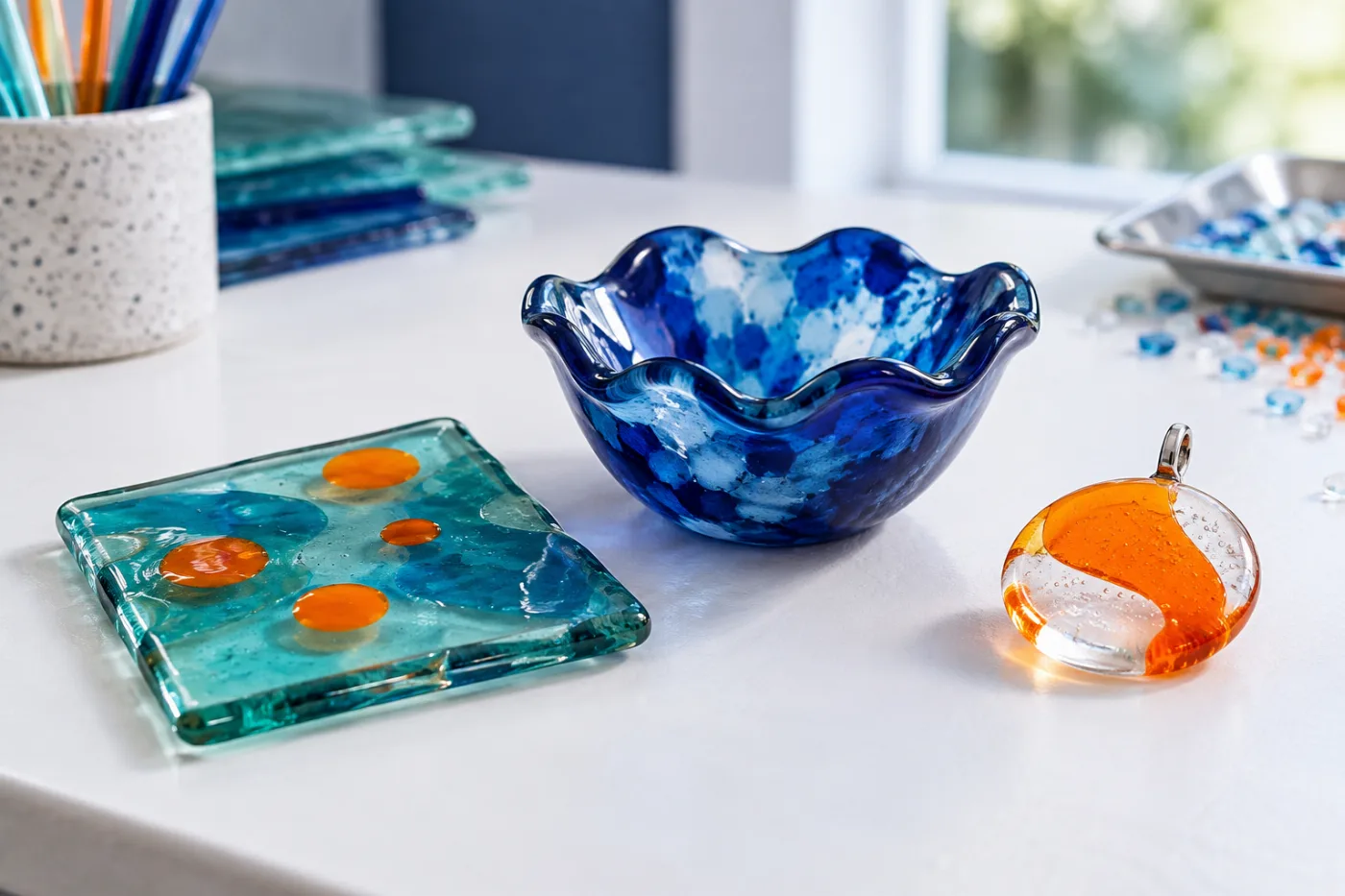
A simple glass tile, blue bowl and orange pendant on a studio table
Project possibilities · AI concept
Legal name
Mobile After School Arts Inc
Status
California nonprofit corporation (501(c)(3) not yet applied for)

Mobile After School Arts Inc is a California nonprofit corporation. We are not yet an IRS-recognized 501(c)(3), so please do not treat a gift as tax-deductible today. Email us for our current status and we will tell you plainly where we are in the process.

We are early, and we would rather be transparent about that than impressive about it. Ask us for our governing documents, our current filings, or a plain accounting of what we have raised and what it has bought — and we will send them.

Ask us for the documents →

A teal glass wave and orange glass orb casting colorful shadows
Fire meets sea glass · AI concept

Follow the build.

First campuses, first cycles, first student work — get the updates as they happen. No spam, just sparks.

Contact

Say hello.
We answer.

Schools, parents, artists, sponsors, press — this inbox is read by humans who love this work.

contact@mobileafterschoolarts.org

Escondido · San Diego County, California

Teal and orange handblown-style glasses beside a sunlit window
Let’s make something happen · AI concept