Program overview
Five weeks on your campus. Three disciplines. Three finished works.
Mobile After School Arts brings a working glass studio to one high school and stays five weeks — long enough to teach roughly 75 students at no cost to them or to the school, and to send every one of them home with three pieces they made themselves. Five weeks at each of eight campuses is our whole year. This page is that program in full: who it is for, how a week runs, what we bring, what we ask of the school, and how we and you will judge together whether it worked.
Program overview September 2026 · Mobile After School Arts Inc, a California nonprofit public benefit corporation
- 15students in a cohort
- 3days a week — Tue, Wed, Thu
- 2–3hours a class, after school
- 3glass disciplines
- 3finished works per student
- 8MASA adults per cohort of 15
- 5weeks on one campus
- 75students per deployment
- $0to the student and to the school
- 8schools a year — 40 weeks on the road
( 01 ) Purpose
Bring the studio to the students who can't reach one.

Mobile After School Arts Inc. is a California nonprofit public benefit corporation building a tuition-free mobile glass-arts program for high school students. We partner with schools and educational institutions to bring specialized, hands-on glass instruction directly to students who would otherwise have little or no access to it.
The five-week program is designed to demonstrate four things at once — educational value, student engagement, operational feasibility, and safe, professionally supervised instruction — while giving every student the chance to design and make finished work of their own.
It is a single annual program, not a menu. Five weeks at each of eight campuses adds up to forty weeks on the road and roughly 600 students a year. MASA raises the funds the program runs on: there is no cost to the student and no program or staffing cost to the host school.
( 02 ) Who the program is for
The students who would never otherwise get this.
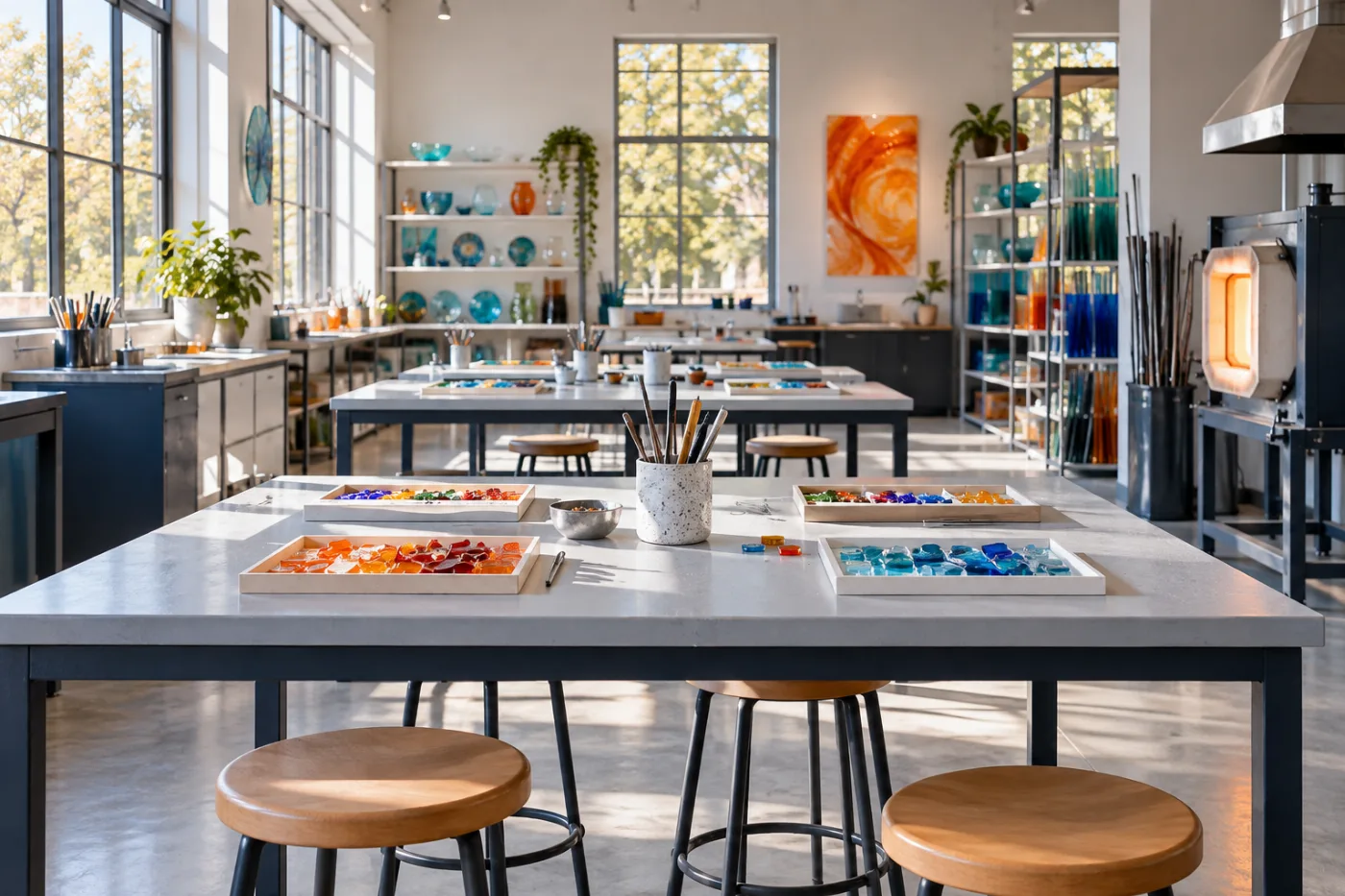
A central MASA priority is reaching young people who would not otherwise have access to specialized glass-arts opportunities. We do not decide who those students are from the outside. Identifying and enrolling them is developed in partnership with the host school, because school personnel know their students and know what they need.
The intent is plain: expand access — particularly for young people who have had little opportunity to experience hands-on glassmaking.
( 03 ) How the five weeks run
One cohort a week.
Three days, three disciplines.
The mobile program stays at one host school for five weeks and is designed to serve approximately 75 students during that deployment. Classes run after school, consistently on Tuesday, Wednesday and Thursday. Each week, one cohort of about 15 students attends all three days, and each day introduces that cohort to one of MASA's three glass disciplines. The host school sets the start time and the class length — a minimum of two hours and a maximum of three — around its own schedule and transportation.
-
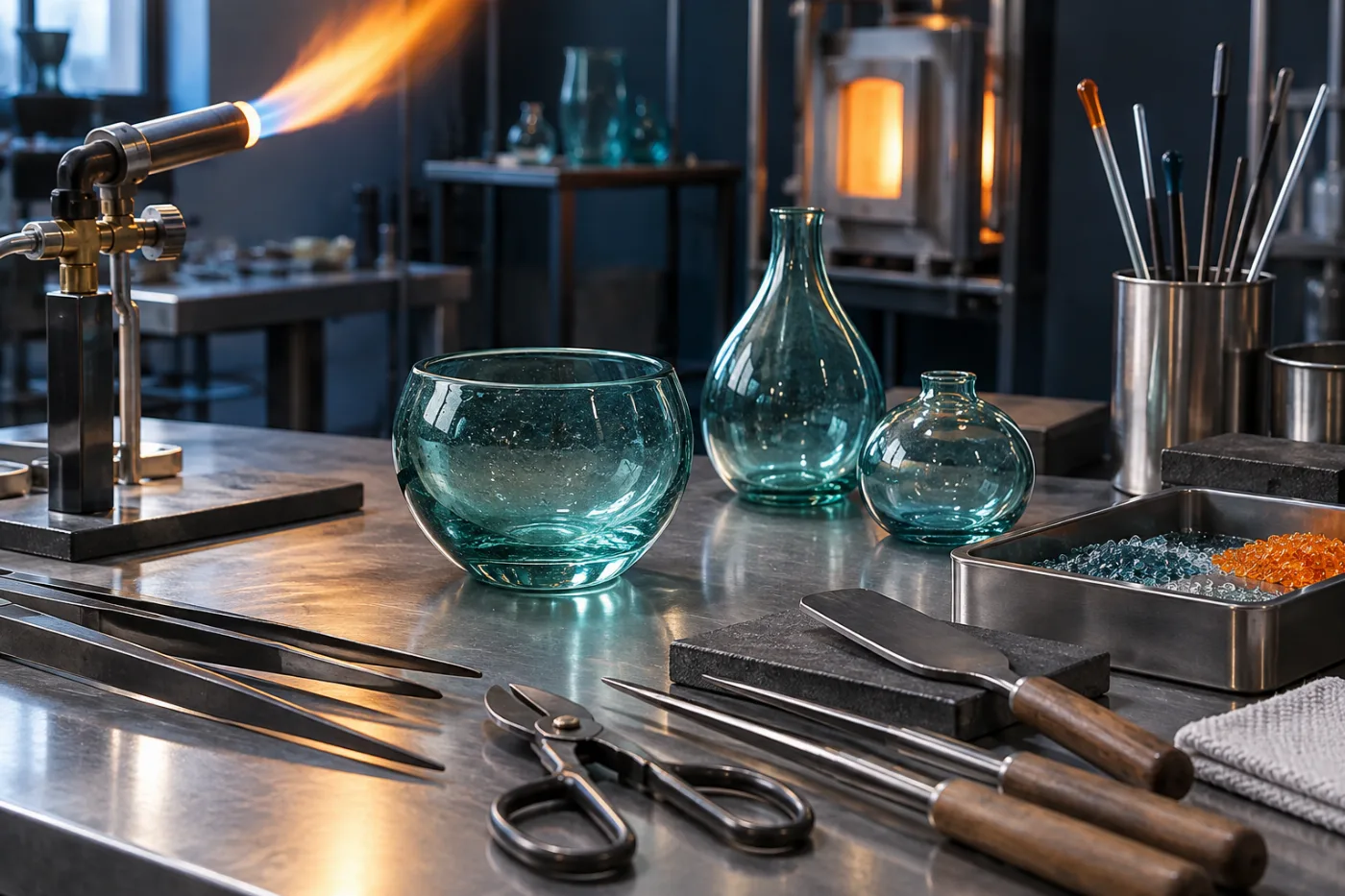
Tools of the craft · AI concept Tuesday
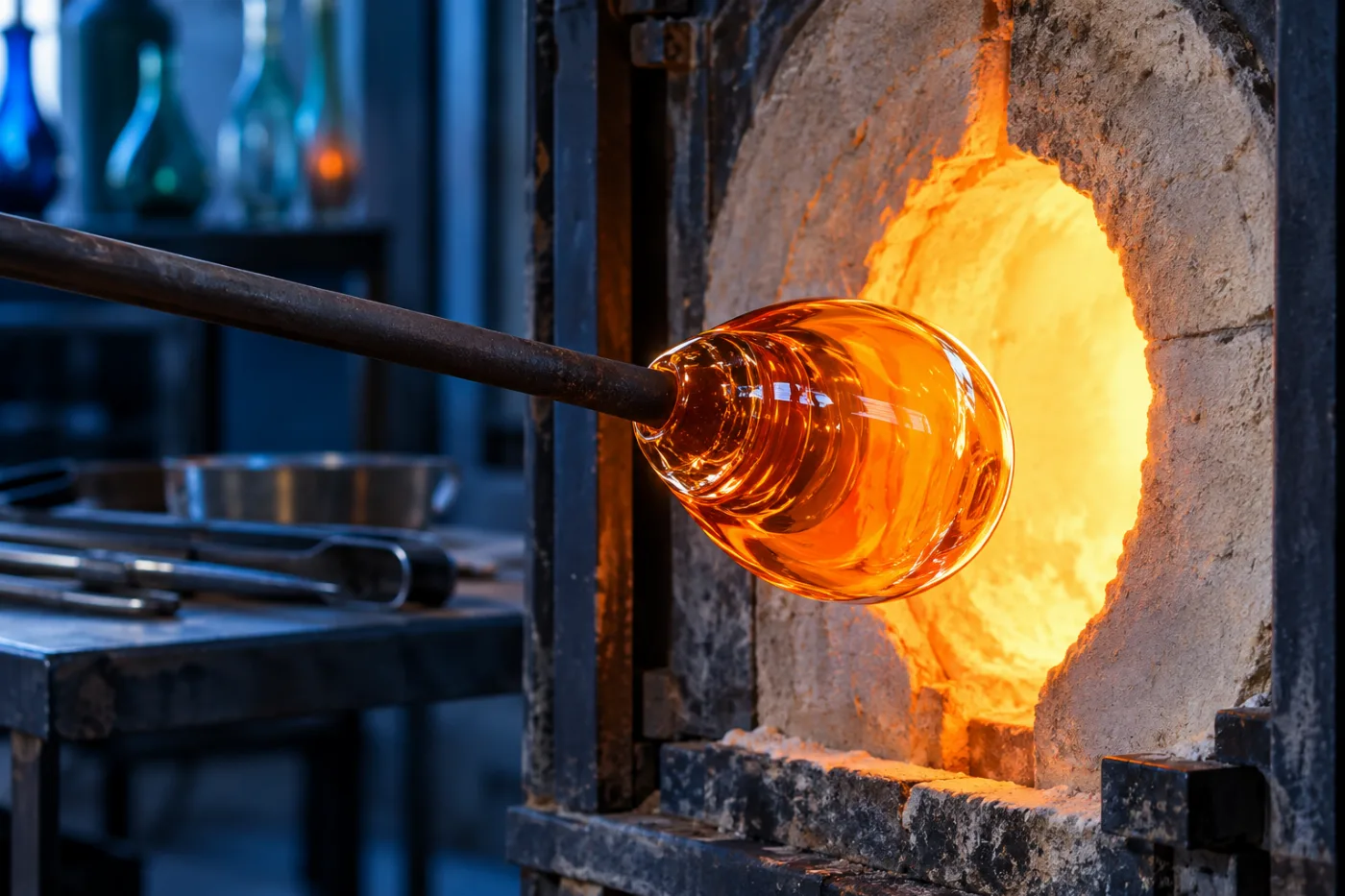
Glassblowing
Safety instruction, tools and materials, instructor demonstration, guided hands-on making — and an individual work that belongs to the student who made it. Glassblowing is a standard component of MASA, running at campuses that meet our site, utility, safety, insurance and institutional requirements.
-

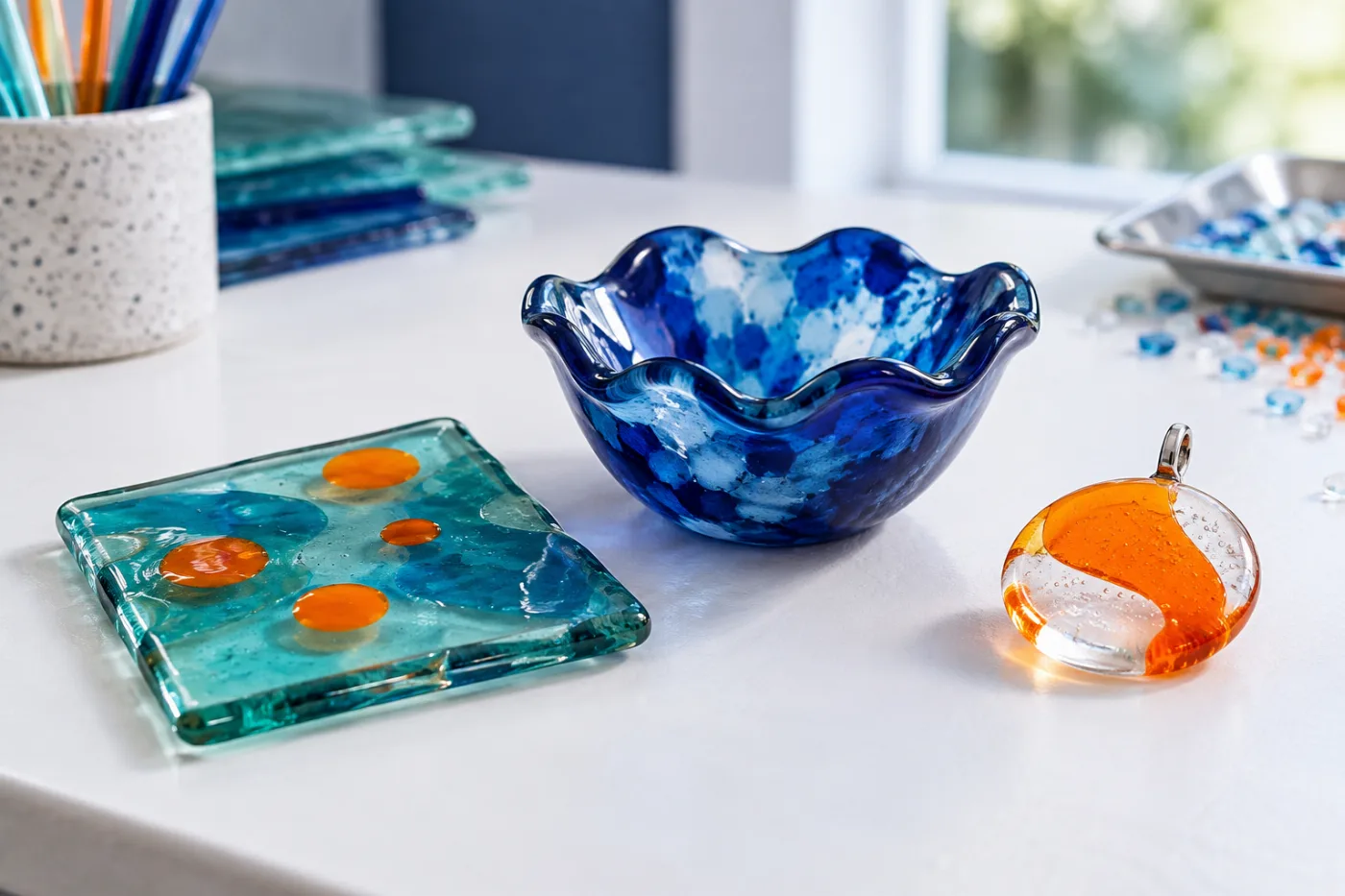
Fused-glass possibilities · AI concept Wednesday
Fused glass & jewelry
Safety instruction, design, cutting and assembly technique, and the student's own finished fused-glass or jewelry piece.
-
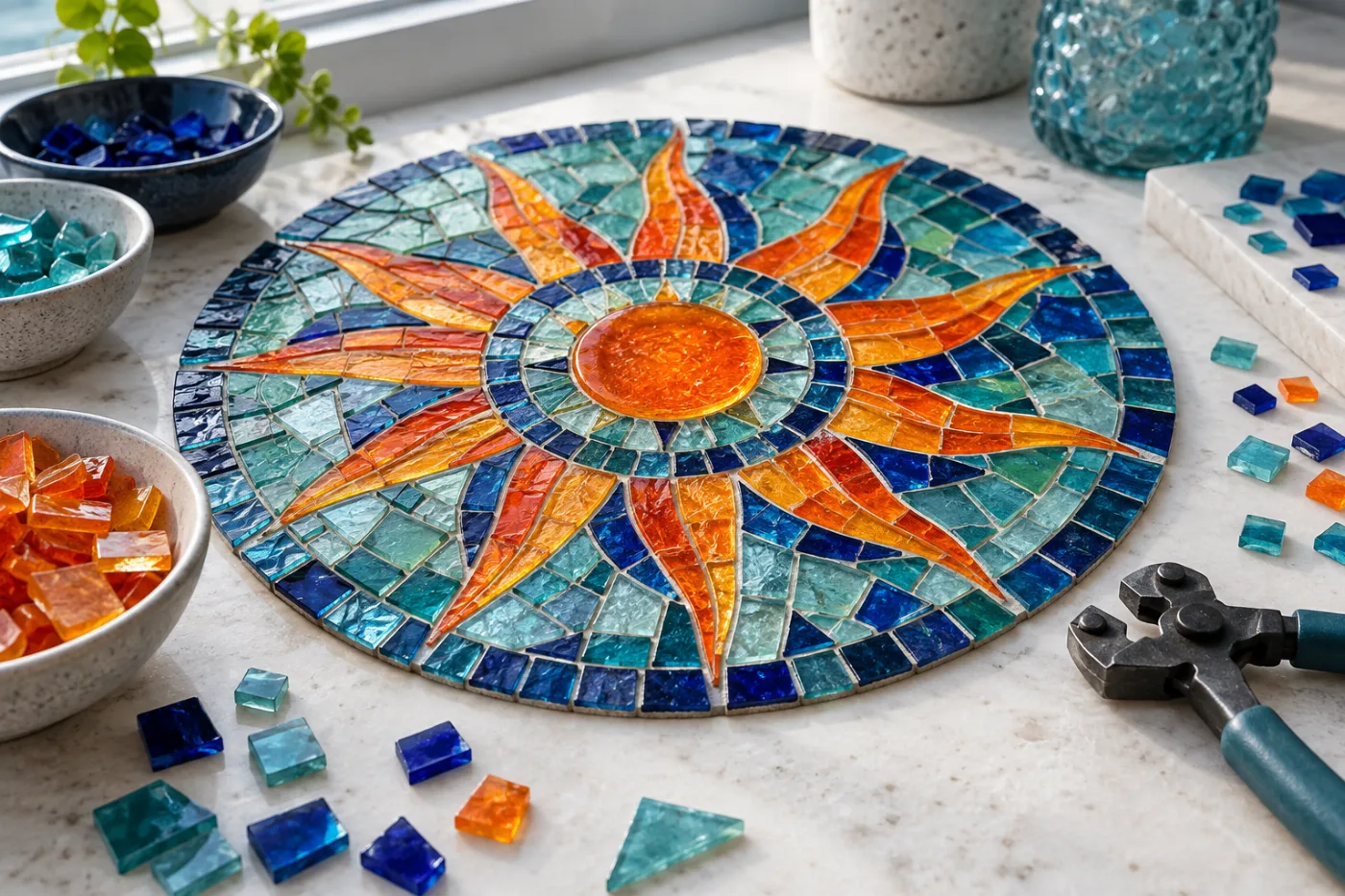
A mosaic taking shape · AI concept Thursday
Mosaic
Safety instruction, design and mosaic technique, and an individual mosaic work carried through from idea to finished object.
A new cohort every Tuesday
- Week 115 students
- Week 215 students
- Week 315 students
- Week 415 students
- Week 515 students
Over five weeks, approximately 75 students complete the core MASA experience — and every one of them leaves with three finished works of their own. Five weeks at each of eight campuses is MASA's full year: forty weeks on the road, roughly 600 students.
( 04 ) Three disciplines, three finished works
The student is the maker.

MASA instructors provide the knowledge, the demonstrations, the equipment, the supervision and the hands-on assistance. What they do not provide is the idea. Students transform their own ideas into finished objects — safely, and with help, but as the maker.
— how we teach
Each discipline uses distinctly different materials, tools, processes and forms of creative problem-solving. The three-work structure gives every student a broad introduction to glass as a creative material, while leaving enough room for individual ideas and choices to show in the finished object.
Students who develop a particular interest in one of the three disciplines may request additional instructional time during MASA's five-week stay — subject to available space, scheduling and instructional capacity.
( 05 ) The instructional experience
Every day, the same shape.
- 1Activity-specific safety practice
- 2Introduction to the materials and tools
- 3Instructor demonstration
- 4Guided hands-on making
- 5The student's own design decisions
- 6A completed work
Eight MASA adults for fifteen students
- 3instructors
- 3assistants
- 1full-time technical & operations lead
- 1+administrator
MASA provides and pays all of them. There is no staffing cost to the host school.
MASA develops and maintains its own curriculum and instructional model, and works with each host institution to align the program — where it makes sense — with school priorities, College and Career Readiness goals, and what the students actually need.
At the end of each instructional day, students may complete a brief exit ticket about their experience. Student voice is an important part of evaluating the program, and part of how we stay honest about the mission.
( 06 ) Anticipated student outcomes
More than exposure to glassmaking.
-
Creative decision-making
The work is not assigned. Students decide what they are making and then find out what that decision costs them in heat, timing and patience.
-
Craftsmanship & persistence
Glass does not reward hurrying. Finishing a piece takes the kind of attention that transfers to everything else a student is being asked to do.
-
Responsible use of real tools
Specialized tools and materials, handled properly, under supervision — and the standing expectation that goes with being trusted with them.
-
An idea, carried to a result
The experience of taking something that existed only in your head and walking out holding it. That is the outcome the other four are in service of.
Educational outcome and assessment language can be refined in collaboration with educators — we would rather write that part with you than hand it to you — while preserving MASA's core instructional model.
( 07 ) The culminating student exhibition
The work goes up —
then it goes home.
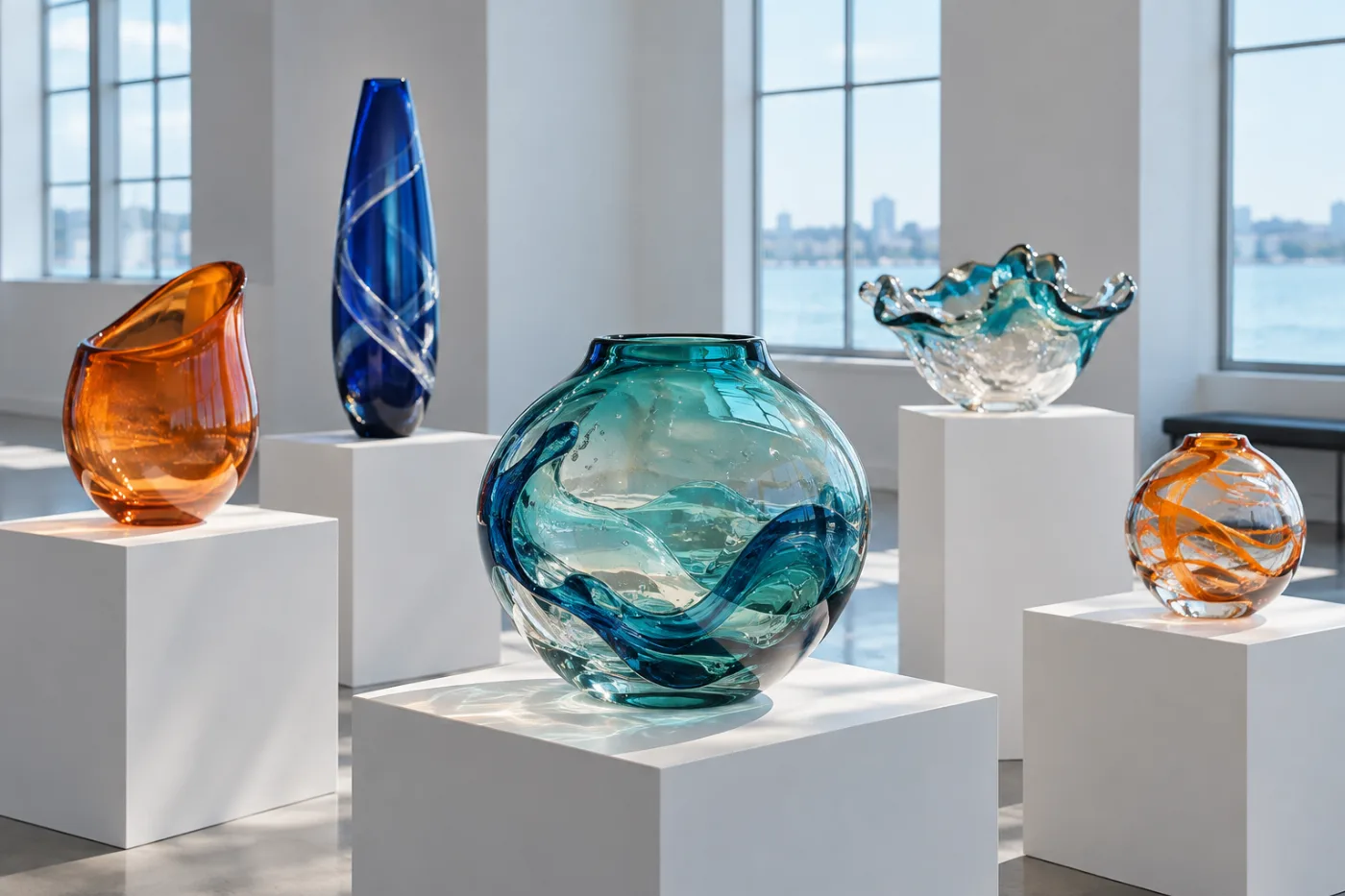
At the conclusion of the five-week deployment, MASA and the host school present a student exhibition of the work created during the program. It gives students the chance to see their own work shown publicly, and to share what they made with families, school personnel and the community.
MASA helps organise and coordinate the exhibition. The host school determines the timing and location and provides the display arrangements.
Students own and keep everything they make. Any work held back for the exhibition is returned to the student afterwards — the three pieces go home with the person who made them.
( 08 ) Who brings what
What we bring, and what we ask of you.
The final division of responsibilities is developed collaboratively with each host — school, district, charter organization or other educational institution. This is the starting point, not a contract.
MASA provides
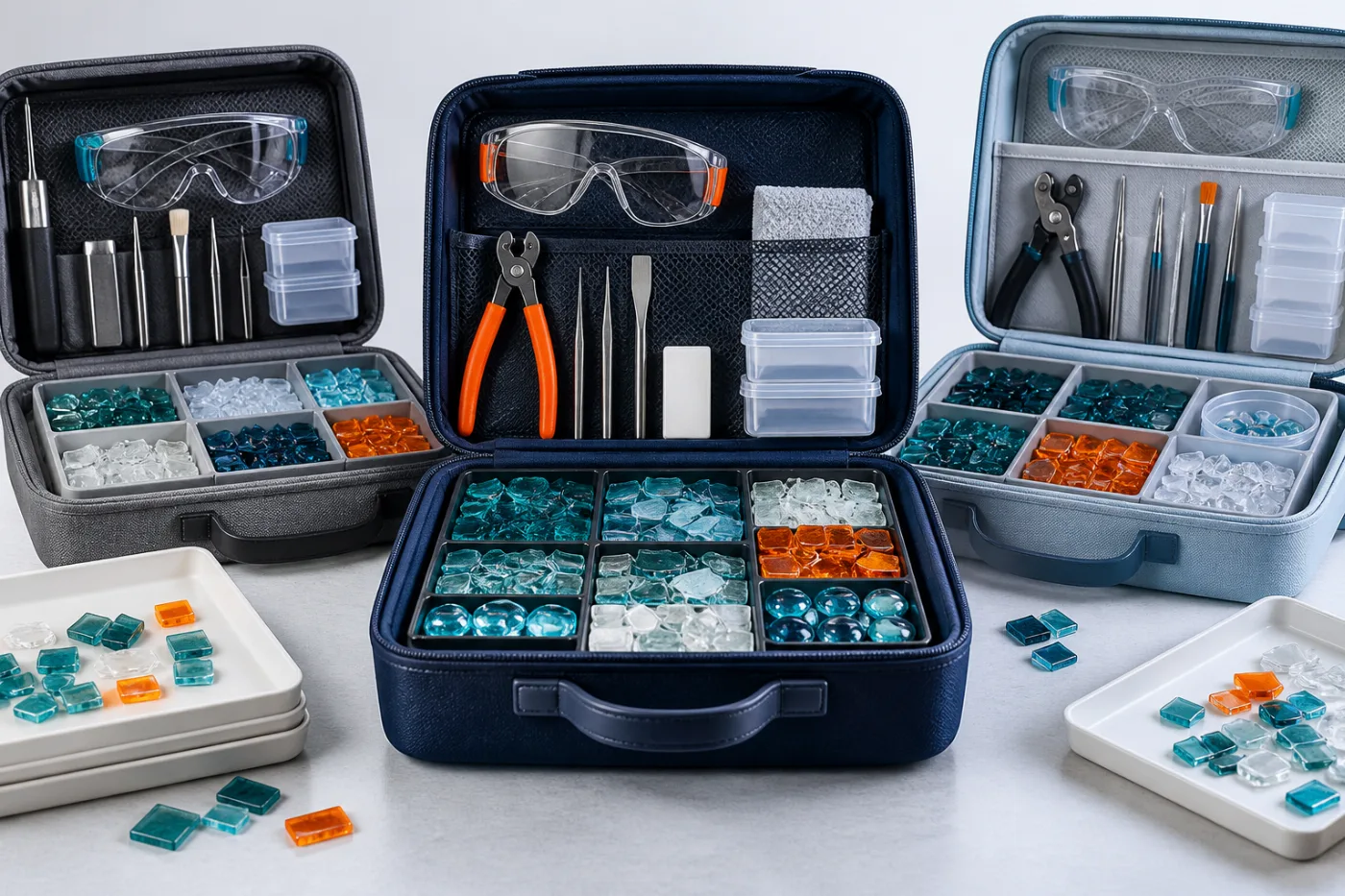
- The mobile instructional facility and specialized glassworking equipment
- Curriculum and instructional planning for glassblowing, fused glass/jewelry and mosaic
- Three instructors, three assistants, a full-time technical and operations lead and at least one administrator for each cohort of fifteen — provided and paid by MASA
- The consumable materials every student project requires
- Operating, setup, shutdown and safety procedures for MASA equipment
- Help organising and coordinating the culminating student exhibition
- Coordination with the host on insurance, fire/life safety, legal and operational requirements
The host institution provides
- A secure, lockable outdoor hot-work area of roughly 200 sq ft or more
- An indoor classroom or workspace that seats all fifteen students — ground-floor or elevator access preferred
- Dedicated electrical service to both areas (full specifications are in our Host Site Requirements package)
- Assistance identifying and enrolling students — with particular attention to those who otherwise would not get this kind of arts experience
- Any institution-required supervision or staffing, if needed
- Coordination of site access, security, scheduling and facilities requirements
- Participation in fire/life-safety, insurance, risk-management and other institutional approvals
- The timing, location and display arrangements for the student exhibition
- Participation in evaluating the deployment and deciding whether the model should continue or expand
( 09 ) Safety & institutional readiness
Part of the design, not an afterthought.
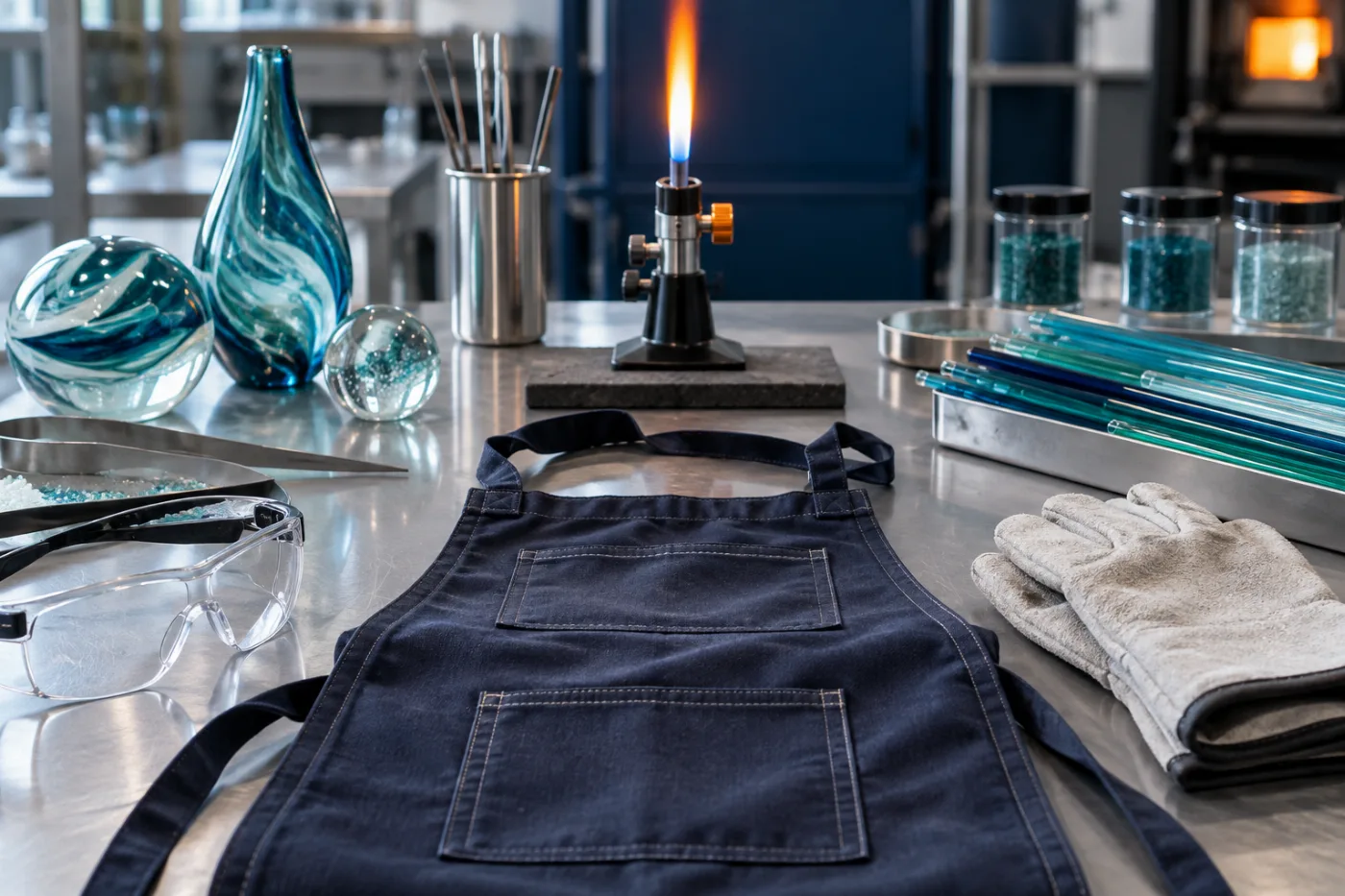
MASA treats safety and institutional approval as part of the program design. Before a deployment, we work with the host institution and — as appropriate — insurance professionals, fire/life-safety advisers and legal counsel to address the things that actually have to be settled before the furnace is lit:
- Site approval
- Equipment and fuel security
- Emergency procedures
- Supervision
- Insurance requirements
- Personnel liability
- Contractual responsibilities
- Any other applicable operational requirement
The full facilities, utility, fuel, security and clearance specifications live in our Host Site Requirements package rather than on this page — tell us what your district requires and we will put all of it in front of you for review before anything is scheduled. More on how we work with schools →
( 10 ) Evaluation & proof of concept
A proof of concept we judge together.
Each five-week deployment is an opportunity to evaluate the mobile delivery model in a real school environment — and to decide, with evidence, what happens next.
Did the students respond?
How students experienced the program, in their own words, from the first exit ticket to the last.
Did they learn something?
Whether the instructional model produces meaningful engagement and real learning, rather than a pleasant afternoon.
Did the machinery hold?
Whether the schedule, facilities, staffing and safety systems worked effectively in a live school environment.
Should it happen again?
Whether the program is suitable for continuation at your school, or replication at others.
The goal is a jointly evaluated proof of concept and a sustainable path to expanded access — not simply a one-time arts activity.
15 students · 3 days · 2–3 hours a day, after school · 3 glass disciplines · 3 student-made works · 8 MASA adults · 5 weeks · approximately 75 students · 8 schools a year · no cost to the student or the school

Next step
Five weeks.
Shall we talk?
If you are a principal, a district administrator, a charter leader or an arts-and-expanded-learning coordinator and this looks like something your students should have — tell us about your campus and we will take it from there.